Fatuma’s Story: Laying the Foundation for a Resilient Future
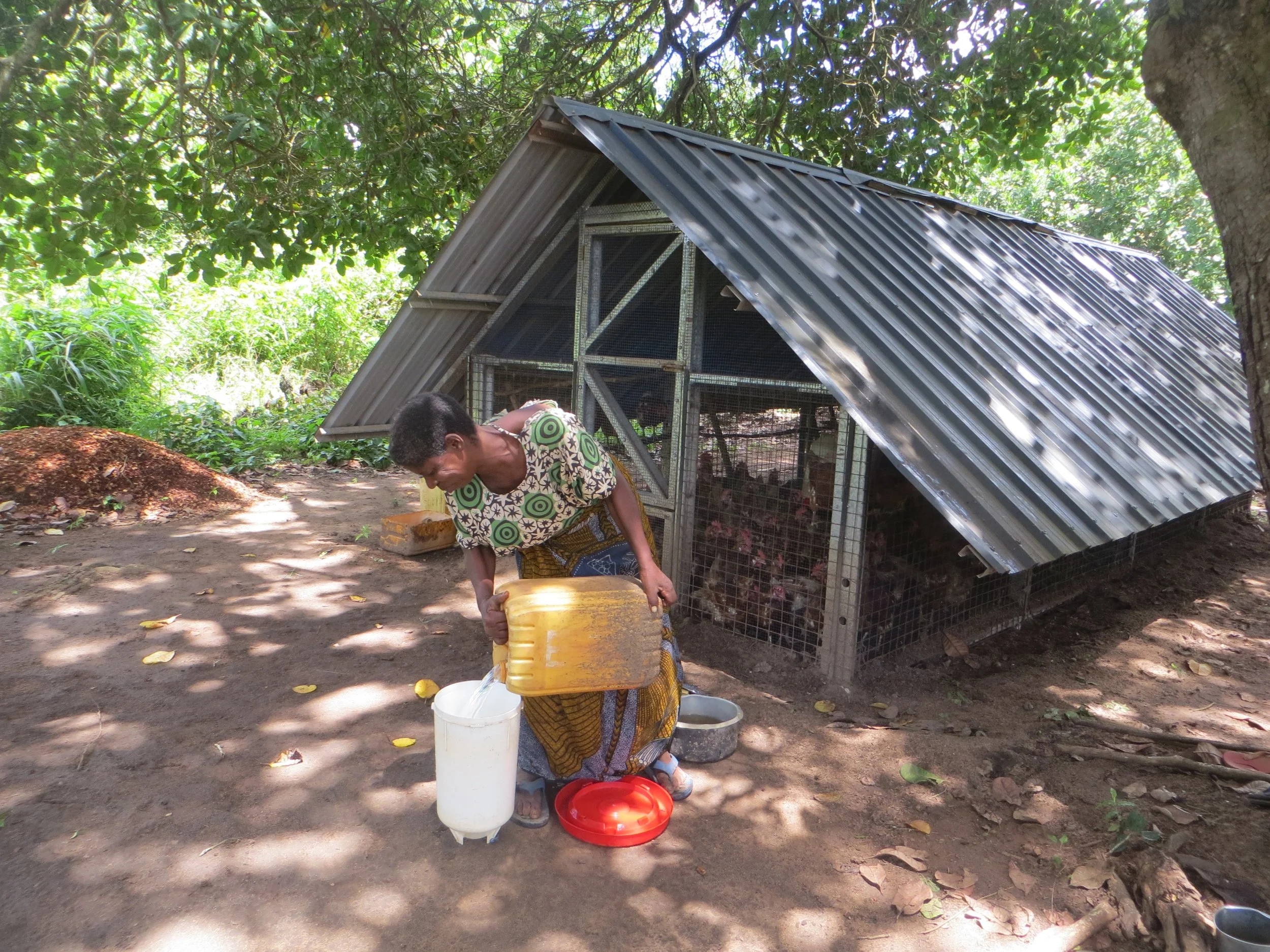
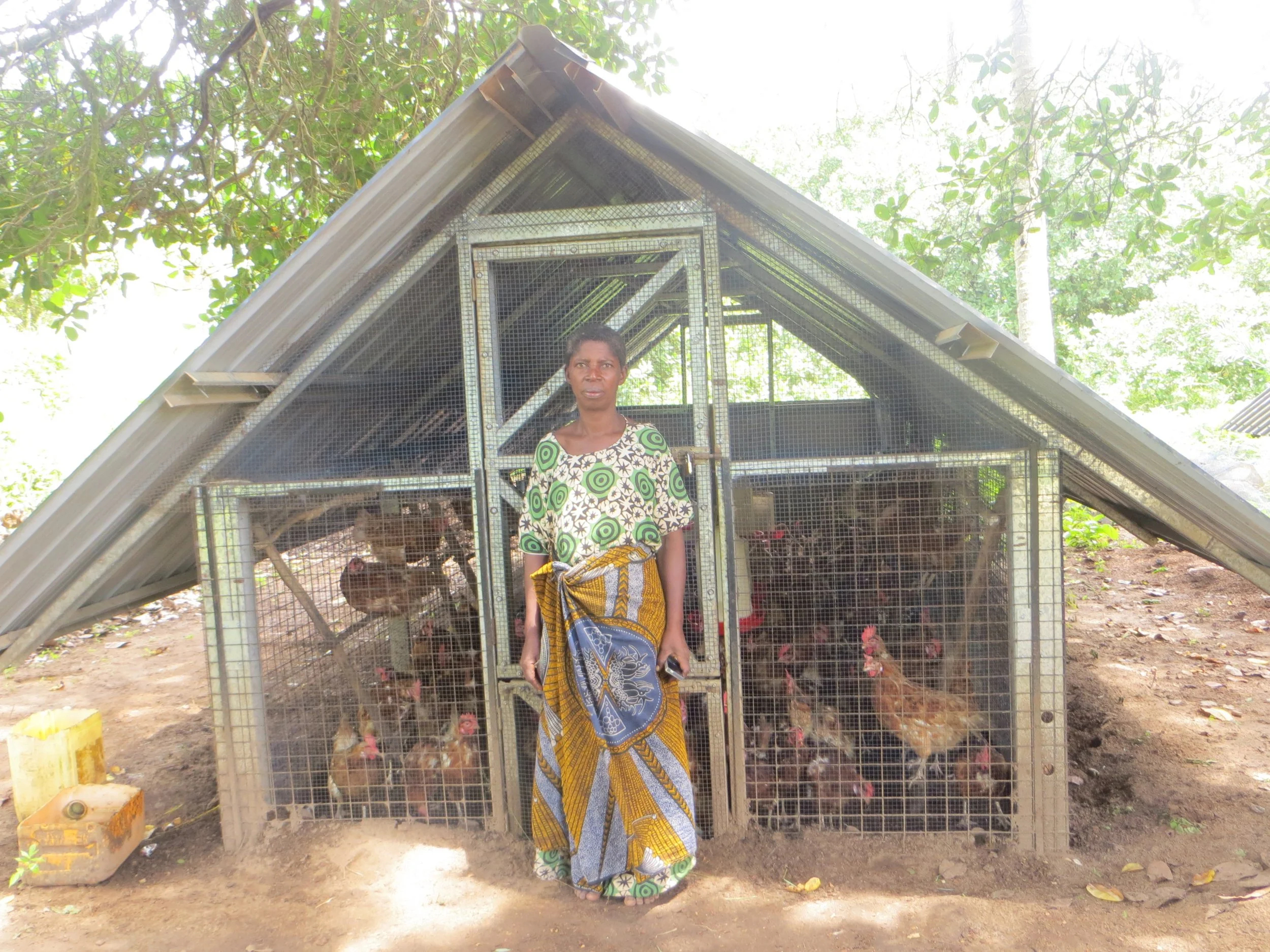
“When you take my photo, make sure you get an action shot”. Says Fatuma Lindogo proudly, pointing to the jerry cans full of water she’s about carry to her flock of 125 hens. I’m visiting Fatuma’s home and smallholder farm in Kibiti, in coastal Tanzania, a few hours south of Dar es Salaam, where she lives with 5 generations of her family.
Fatuma is a farmer-partner of East Coast Agritech (ECA), a company operating across Kibiti to support smallholder farmers to build resilient livelihoods. I’m visiting to learn how ECA, with the support of impact investment from 3rd Creek Foundation, is doing this.
Before ECA, Fatuma grew subsistence crops and ‘michikich’, a crop grown to produce palm oil. This didn’t provide enough income for her family, particularly given the harvest cycle would leave Fatuma with long periods without money coming into the household.
Fatuma’s story is common in agricultural communities throughout Tanzania, though for many farmers in Kibiti there is an additional challenge. Cashew nuts are the main cash crop in the area and for many farmers, their sole cash crop. The government is the guaranteed buyer of the nuts, acting as the middleperson, coordinating processing, sale and export. But while the income can be significant for some, the slow, bureaucratic process to receive funds and disputes over the sales price means many farmers are left without income for most of the year.
ECA provides smallholder farmers like Fatuma with another option, supporting them to shift from seasonal farming activities, such as michikich and cashews, to year-round income generating activities. ECA begins by providing farmers with everything they need to begin egg production and acting as the guaranteed buyer of the eggs. Fatuma received 125 healthy hens, already of laying age, and a secure hen house at the start of the program, and she continued to receive chicken feed deliveries three times a week. ECA drops off the feed, collects the eggs, and delivers them to the ECA wholesale shop in Kibiti town centre where the eggs usually sell out by midday! Some of the eggs are sent to Dar es Salaam for sale to a network of high-end hotels and restaurants.
Fatuma cares deeply for her chickens. She has added to the quality henhouse provided by ECA to give the chickens some environmental enrichment. Extra roosts at different heights and banana leaves they can hide under or safely nibble on keep them comfortable and able to engage with their natural behaviours. Fatuma has had an issue with honey badgers who can be destructive, so she’s working with ECA to add extra layers of materials to the exterior of the henhouse to protect her flock.
When the chickens stop laying, ECA has a new flock of chickens ready for Fatuma, so she will never experience a pause in income. Fatuma receives monthly payments from ECA, that allows her to plan for the future. She can earn around 75,000 Tanzanian Shillings per month, around $30, representing a huge boost to her income. Fatuma works a couple of hours per day to look after her chickens, still allowing time for her other farming activities.
Fatuma also receives daily water deliveries from ECA. Homes in the area where Fatuma lives aren’t connected to the mains water supply, so ECA permits farmers to use the water for domestic purposes, which for Fatuma is a huge perk to the partnership.
Egg production is only the start for ECA. They continue to introduce additional income generation activities that address the challenges faced by smallholder farmers, helping build resilience livelihoods throughout Tanzania.
3rd Creek Foundation provided East Coast Agritech with a loan of $40,000 to support the costs of rearing hens to be deployed to new and existing farmers.
Ani Cammack is Grants Manager of 3rd Creek Foundation